
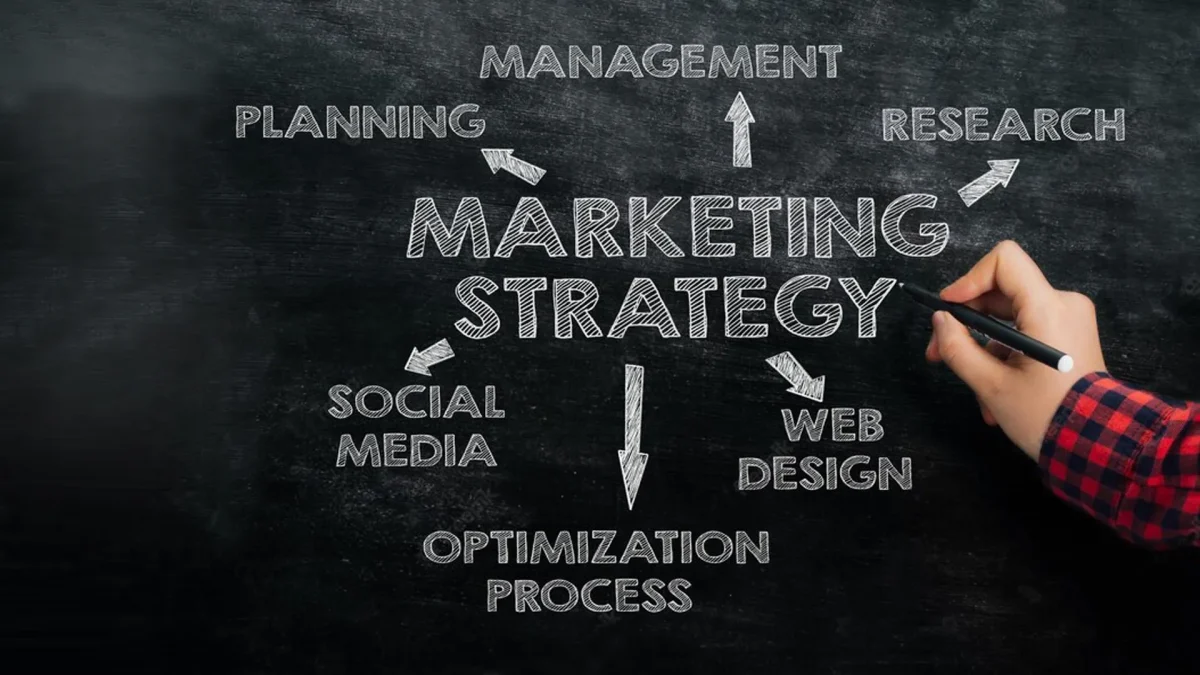
A fractional CMO gives financial advisors part-time access to senior marketing leadership without requiring a full-time executive hire. The role typically focuses on setting strategy, clarifying positioning, prioritizing client acquisition and retention efforts, coordinating internal teams and vendors, and establishing useful performance measures. In a regulated industry, the CMO should also work within the firm’s documented review and approval process.
The practical value is focus and accountability. A well-scoped engagement can help an advisory firm connect marketing activity to business goals, decide which initiatives deserve resources, and create a realistic implementation plan. Before hiring, leaders should define the desired outcomes, available execution support, decision rights, compliance responsibilities, reporting cadence, and criteria for evaluating progress.
What Is a Fractional CMO for Financial Advisors?
A fractional chief marketing officer is a senior marketing leader who works with a business for a defined portion of their time. Unlike a consultant who only recommends a course of action, a fractional CMO may take continuing responsibility for marketing priorities, team coordination, performance reporting, and executive decisions within an agreed scope.
For a financial advisory firm, that scope may include positioning, audience segmentation, referral development, content planning, lead management, client communication, vendor oversight, and marketing measurement. The precise responsibilities should reflect the firm’s business model, growth priorities, internal resources, and regulatory environment.
The word “fractional” describes the working arrangement, not the quality or breadth of the strategy. The firm receives executive-level direction without automatically creating a permanent executive position. However, a fractional leader is not a complete marketing department. Someone still needs to write, design, build, publish, follow up with prospects, maintain systems, and complete required reviews.
When the Fractional Model Makes Sense
A fractional CMO can be useful when an advisory firm has growth goals but lacks a senior leader who can turn those goals into an integrated marketing plan. The model is especially relevant when marketing has become a collection of disconnected activities, such as occasional events, referrals, newsletters, paid campaigns, and website projects, with no shared priorities or measurement system.
Common signs that a firm may need this level of leadership include:
- The founder or lead advisor makes nearly every marketing decision.
- Internal employees and outside vendors are busy, but their work is not guided by one strategy.
- The firm’s message does not clearly explain whom it serves or why a prospect should choose it.
- Marketing reports emphasize traffic, impressions, or activity without connecting them to qualified opportunities and business outcomes.
- The firm wants to enter a new segment, introduce a service, or improve organic growth but does not need a permanent CMO yet.
- Execution repeatedly stalls because ownership, approval requirements, and next steps are unclear.
The model is less suitable when the firm primarily needs production capacity. If the strategy is sound but the team lacks a writer, campaign manager, designer, or marketing operations specialist, hiring or contracting for that specific capability may be more direct. A fractional CMO may identify and manage those resources, but executive leadership alone will not replace them.
What Fractional CMO Services Should Cover
The most useful engagement connects strategy, implementation, and measurement. Although every advisory firm has different needs, the following responsibilities provide a practical framework for defining the role.
1. Business and Marketing Strategy
The first responsibility is translating the firm’s business priorities into marketing choices. That requires understanding its services, revenue model, growth capacity, ideal client relationships, sales process, existing referral base, and operational constraints. The resulting plan should state what the firm will prioritize, what it will postpone, who owns each initiative, and how leadership will review progress.
A useful strategy is more than a calendar of campaigns. It identifies the business problem marketing is expected to address and establishes a reason for selecting particular audiences, messages, and channels.
2. Positioning and Audience Definition
Broad claims about trust, service, and personalized advice rarely explain why a specific prospect should pay attention. A fractional CMO can help the firm define the clients it is best equipped to serve, the problems those clients recognize, the decision criteria they use, and the evidence the firm can legitimately present.
This work may involve interviews with leaders, advisors, client-facing employees, and appropriate clients or referral partners. The goal is not to invent a clever slogan. It is to create a clear message that can guide the website, presentations, educational content, referral conversations, and prospect follow-up.
3. Client Acquisition and Referral Systems
Financial advisory marketing often depends on trust developed across multiple interactions. The marketing plan should therefore define how appropriate prospects first encounter the firm, how they learn more, what prompts them to start a conversation, and how the team follows up.
Potential channels can include educational content, search, email, events, professional relationships, client referrals, public relations, or paid media. Channel selection should follow the audience and strategy rather than current fashion. Any outreach, endorsements, testimonials, advertising, or client communication should go through the firm’s applicable compliance process.
4. Content and Communication Planning
A fractional CMO can establish the themes, formats, distribution plan, and production workflow for content. Effective planning begins with real questions from prospects and clients. It then assigns each asset a purpose, such as attracting relevant visitors, supporting a referral conversation, preparing a prospect for a meeting, or helping existing clients understand an important topic.
The plan should also account for subject matter review, compliance review, revisions, approval, publication, and reuse. Without an agreed workflow, even a strong editorial calendar can become a backlog of unfinished drafts.
5. Sales and Marketing Alignment
Marketing cannot improve the entire client acquisition process if it ends when a form is submitted. The fractional CMO should work with advisors and business development staff to define a qualified opportunity, document follow-up responsibilities, examine common objections, and understand why suitable prospects do or do not move forward.
Shared definitions make reporting more useful. They also help marketing create materials that support actual conversations instead of generating more activity for an already constrained advisory team.
6. Team, Vendor, and Implementation Leadership
A fractional CMO should make execution easier by clarifying responsibilities and coordinating the people involved. Depending on the engagement, those people may include internal marketing employees, advisors, operations leaders, compliance professionals, writers, designers, developers, media specialists, and technology vendors.
The CMO may evaluate gaps, recommend resources, write briefs, set review cadences, and resolve competing priorities. Before work begins, the firm should distinguish between tasks the CMO will perform directly and tasks assigned to others. This prevents the engagement from becoming strategy without implementation or an undefined collection of requests.
7. Measurement and Executive Reporting
Measurement should help leaders make decisions. A fractional CMO can establish a practical scorecard that connects marketing inputs to pipeline and business outcomes while recognizing that attribution may be imperfect. The objective is not to assign every result to one touchpoint. It is to see whether the system is attracting suitable prospects, moving them through the decision process, and supporting economically sound growth.
How to Measure the Engagement
The right measures depend on the firm’s objectives and starting point. Establish definitions and baselines before setting targets. A small set of consistently reviewed measures is usually more actionable than a large dashboard that no one uses.
| Area | Possible measure | Question it should answer |
|---|---|---|
| Audience | Relevant traffic, subscribers, or event participants | Are we reaching people who fit the intended audience? |
| Demand | Qualified inquiries by source | Which activities create suitable opportunities? |
| Pipeline | Progression between defined stages | Where do appropriate prospects stop moving forward? |
| Acquisition | New clients and net new assets connected to the reporting period | Is marketing contributing to the firm’s growth objectives? |
| Economics | Acquisition cost and expected client value | Is the approach economically sensible? |
| Retention | Client retention, feedback, and referral activity | Does the client experience support durable relationships? |
| Execution | Priority work completed, blocked, or awaiting approval | Can the team implement the plan reliably? |
Review leading indicators, such as qualified conversations and pipeline movement, alongside lagging business outcomes. Include brief explanations of what changed, why it may have changed, what remains uncertain, and what the team will do next. That context is more valuable than reporting a collection of isolated numbers.
Integrating a Fractional CMO Into the Firm
Integration should begin with a written charter. It does not need to be complicated, but it should define outcomes, scope, authority, access, responsibilities, meeting cadence, deliverables, and review criteria. It should also identify the executive sponsor and the people responsible for day-to-day execution.
A practical integration process includes the following stages:
- Discovery: Review business goals, services, audience data, current messaging, campaigns, technology, team capacity, pipeline definitions, and available performance information.
- Prioritization: Identify the few marketing problems that matter most and agree on what will not be addressed during the initial scope.
- Planning: Create the roadmap, scorecard, roles, budget assumptions, approval workflow, and implementation briefs.
- Execution: Coordinate internal and external contributors, remove blockers, and review work against the strategy.
- Learning: Examine performance and feedback, document conclusions, and adjust priorities based on evidence and capacity.
The timing for each stage depends on the complexity of the firm, the quality of its data, team availability, and review requirements. Avoid assuming that a standard schedule applies to every engagement.
Compliance Must Remain a Shared, Documented Responsibility
A fractional CMO should understand that financial services marketing operates within regulatory and firm-specific boundaries, but the title alone does not establish regulatory expertise. The firm should involve its qualified compliance professionals and legal counsel where appropriate. This article provides general business and marketing information, not legal or compliance advice.
Before publishing or launching an initiative, establish who reviews it, which standards apply, what supporting records are required, how revisions are documented, and who provides final approval. The workflow may need to address websites, social posts, email, advertising, educational materials, events, referral programs, testimonials, endorsements, and third-party vendor content.
Compliance should be incorporated into planning instead of added at the final moment. Early collaboration helps the marketing team understand constraints, develop appropriate briefs, and allow realistic time for review. Final determinations should remain with the firm’s authorized professionals.
Fractional CMO vs. Agency, Consultant, or Full-Time Hire
| Option | Primary role | Best fit |
|---|---|---|
| Fractional CMO | Continuing strategy, prioritization, leadership, and coordination | A firm that needs executive marketing direction but not necessarily a permanent CMO |
| Marketing agency | Specialized production or campaign execution | A firm with clear strategy that needs additional capabilities or capacity |
| Marketing consultant | Analysis and recommendations within a defined project | A firm seeking an outside assessment or help with a specific decision |
| Full-time CMO | Permanent executive ownership and organizational leadership | A firm with the scale, ongoing workload, and resources to support a dedicated executive |
These options are not mutually exclusive. A fractional CMO may lead internal employees and agency partners, while a full-time CMO may hire consultants for specialized projects. Choose based on the problem to be solved, the level of ownership required, and the firm’s ability to implement the work.
How to Evaluate Fractional CMO Services
Evaluate candidates against the actual scope rather than relying on a broad promise of growth. Useful questions include:
- How will you learn our business model, audience, sales process, and team constraints?
- Which decisions will you own, and which decisions remain with our leadership?
- What work will you perform directly, and what execution resources will we need?
- How do you translate business objectives into marketing priorities and measures?
- How will you coordinate with advisors, sales staff, operations, vendors, and compliance professionals?
- What information and system access will you need?
- How will progress, risks, decisions, and blocked work be reported?
- How can the scope be changed or concluded if the firm’s needs evolve?
Industry familiarity can reduce the learning curve, but it should not replace sound discovery and judgment. Be cautious when a provider prescribes channels before understanding the audience, promises a particular outcome, treats compliance as a marketing formality, or cannot explain who will execute the plan.
Fees may be structured around a retainer, project, or another defined arrangement. Compare proposals using the complete scope: leadership time, deliverables, implementation support, outside vendor costs, technology needs, internal workload, and contract terms. A lower fee is not economical if the firm lacks the resources to act on the strategy.
Frequently Asked Questions
Can a fractional CMO replace a marketing team?
Usually not. The fractional CMO provides direction, prioritization, and oversight, while employees or external specialists handle much of the production and day-to-day execution. The engagement should identify those resources before major initiatives begin.
Can a fractional CMO guarantee compliant marketing?
No marketing leader should be treated as an automatic compliance guarantee. The CMO should follow the firm’s documented procedures and coordinate with its qualified compliance professionals and legal counsel where appropriate. Authorized professionals should make final compliance and legal determinations.
How long does it take to see results?
Timing varies with the firm’s starting point, objectives, approval process, internal capacity, and speed of implementation. Establish early milestones for discovery, decisions, and execution, then evaluate business outcomes over a reporting period appropriate to the strategy.
What metrics should a financial advisory firm track?
Useful measures may include qualified inquiries, lead sources, pipeline progression, conversion, acquisition cost, net new assets, client retention, referrals, and implementation progress. Select measures that reflect the firm’s objectives, economics, capacity, and available data.
How much do fractional CMO services cost?
Cost depends on the scope, time commitment, expertise, implementation responsibilities, and supporting resources. Ask for a written description of deliverables, decision rights, meeting cadence, execution assumptions, and additional costs so proposals can be compared on the same basis.
When should a firm consider a full-time CMO instead?
A full-time hire may make more sense when the firm has enough continuing executive work, organizational complexity, and resources to support a permanent marketing leader. A fractional engagement can also help leadership define the function before deciding whether to build a full-time role.
Build the Role Around the Business Problem
Fractional CMO services can give financial advisors senior marketing leadership without requiring an immediate full-time executive hire. Their value depends on more than the arrangement itself. The firm needs a clear business objective, a defined scope, appropriate implementation resources, documented compliance involvement, and a consistent way to evaluate progress.
Start by identifying the marketing decisions that currently lack ownership. Then define the outcomes, responsibilities, resources, and review process needed to address them. That foundation makes it easier to determine whether a fractional CMO, agency, consultant, specialist, or permanent leader is the right next step.