
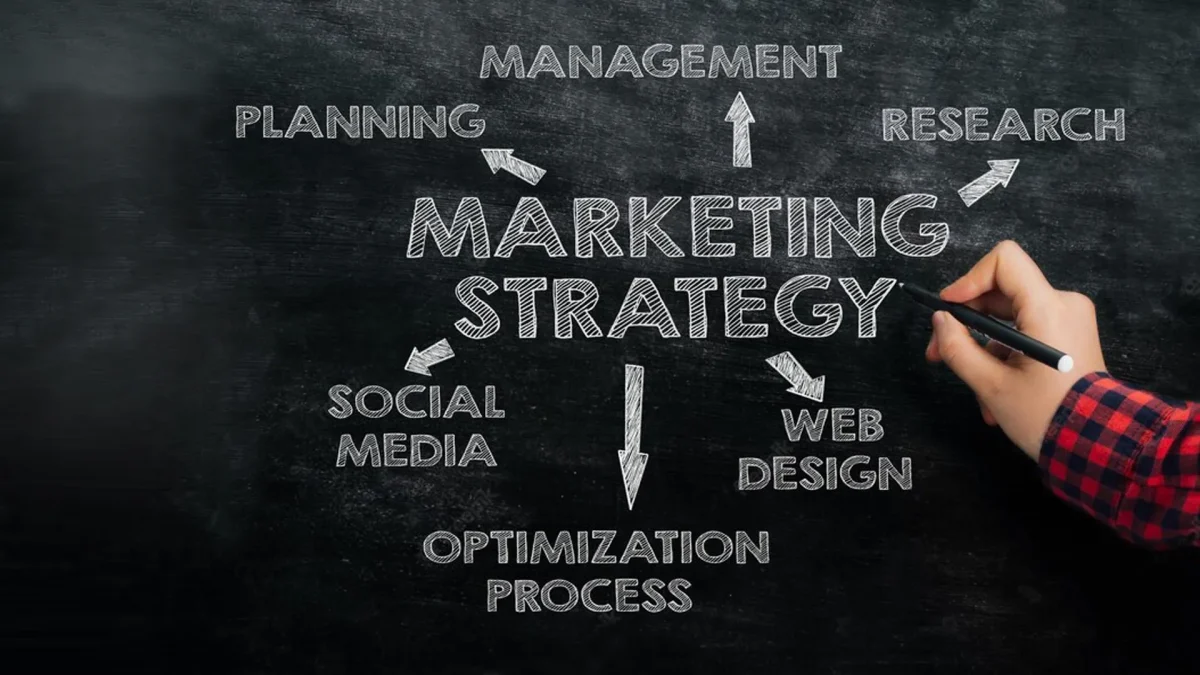
An event marketing strategy connects your business goals to every stage of an event, from audience research and promotion through delivery and follow-up. It defines who the event is for, what action you want attendees to take, which channels will reach them, and how you will measure performance. The result is a focused plan for creating useful experiences while supporting brand awareness, lead generation, sales, or customer relationships.
This guide walks you through setting objectives, choosing a format, building a budget, planning logistics, promoting across channels, engaging attendees, and evaluating results. You will also learn how to gather feedback, continue the conversation after the event, repurpose content, and avoid common planning mistakes. Use the steps as a practical checklist for in-person, virtual, or hybrid events.
What Is an Event Marketing Strategy?
An event marketing strategy is the documented plan for using an event to serve a defined audience and advance a business objective. It covers more than promotion. It connects the event concept, attendee promise, registration process, communications, experience, sales follow-up, and performance measurement.
Event marketing can support conferences, workshops, webinars, trade shows, customer gatherings, product demonstrations, executive roundtables, and community events. The format may change, but the central question remains the same: what useful experience will motivate the right people to attend and take the next appropriate step?
A strong strategy keeps the event from becoming an isolated activity. It establishes how the event relates to the rest of your marketing and sales system, including the audience segments you serve, the problems you help solve, and the conversations your team should continue afterward.
15 Event Marketing Strategies
Use these 15 strategies in order when building a new event plan. If an event is already underway, use them as an audit to find gaps before committing more budget or team capacity.
1. Tie the Event to One Primary Business Objective
Start by deciding why the event should exist. A primary objective might be creating qualified sales conversations, educating current customers, strengthening relationships with target accounts, introducing a new service, or building awareness in a defined market. Choose one primary objective so the team can make consistent decisions.
Secondary benefits are welcome, but they should not compete with the main purpose. A lead-generation event and a customer-training event require different invitations, agendas, calls to action, and follow-up. Write the objective in plain language and connect it to a measurable outcome and time frame.
2. Define the Audience Precisely
Describe the people the event is designed to help. Include their roles, business context, relevant challenges, level of awareness, and reason for attending. For a business audience, job title alone is rarely enough. A founder evaluating growth options has different questions from a marketing leader looking for implementation guidance.
Review past registration, attendance, sales, and customer data when available. Interview customer-facing team members about recurring questions. Then create a short audience statement that guides the event message, agenda, speakers, and promotional channels.
3. Develop a Clear Attendee Promise
Explain what attendees will understand, decide, create, or be able to do after the event. A clear promise is more useful than broad claims about inspiration or transformation. It should be specific enough to help a prospective attendee judge whether the event is relevant.
Use the same central promise across the event page, email invitations, speaker materials, advertisements, and sales outreach. Adapt the wording for each channel without changing the substance. Consistency helps prevent a disconnect between what marketing promises and what the event delivers.
4. Select the Right Event Format
Choose an in-person, virtual, or hybrid format based on the objective, audience, content, budget, and operational capacity. Virtual events can broaden access and reduce some venue-related costs. In-person events can support direct interaction and relationship building. Hybrid events may serve both groups but require careful planning for two different attendee experiences.
Also consider the appropriate scale. An executive roundtable may create better conversations with a small group, while a massive, multi-day conference serves a different purpose and requires substantially more production, promotion, and coordination. Select the simplest format capable of delivering the intended value.
5. Build a Complete Budget and Resource Plan
List the direct and indirect resources required to plan, promote, deliver, and follow up on the event. Potential costs include the venue, production, technology, creative work, paid promotion, travel, staffing, accessibility accommodations, insurance, food, signage, recording, and contingency funds. Include internal labor so decision-makers can see the event’s full resource requirement.
Assign an owner to each budget category and establish an approval process. Review contracts carefully for payment schedules, cancellation terms, capacity limits, vendor requirements, and other obligations. Obtain appropriate professional review when contractual, legal, privacy, insurance, or regulatory questions are material to the event.
6. Establish Metrics Before Promotion Begins
Select metrics that reflect the primary objective. These may include qualified registrations, attendance rate, participation, meetings booked, opportunities created, customer retention signals, revenue attributable to the event, or post-event actions. Avoid treating registration volume as the only sign of success.
Document how each metric will be captured, who owns it, and when it will be reviewed. Set up consistent campaign tracking and define how leads or accounts will move into your sales or customer system. Establishing the method in advance is more reliable than reconstructing the data after the event.
7. Build the Agenda Around Audience Decisions
Organize the agenda around the questions attendees need answered and the decisions they need to make. Give each session a clear purpose, and remove content that exists only to fill time. Alternate presentations with discussion, application, demonstrations, or networking when those activities support the objective.
Provide speakers with the attendee profile, event promise, session objective, allotted time, and content standards. Review materials early enough to identify repetition, unsupported claims, aggressive sales pitches, or gaps between sessions. The agenda should feel like a coherent experience rather than a collection of unrelated presentations.
8. Make Registration Clear and Low Friction
Create a focused event page that states who the event is for, what attendees will gain, when and where it occurs, what the format involves, and how to register. Address practical questions such as accessibility, schedule, participation expectations, recording availability, and cancellation terms when relevant.
Ask only for information you genuinely need. Explain how attendee data will be used and handle it according to applicable privacy requirements and your published policies. Test the form, confirmation page, calendar details, mobile experience, and follow-up messages. Depending on the format, event apps or QR code check-in may help manage arrival, but technology should support rather than complicate the attendee journey.
9. Create a Promotion Timeline
Work backward from the event date and define promotional phases. An early phase can introduce the problem, audience, and event promise. A middle phase can feature the agenda, speakers, useful previews, and answers to common objections. The final phase can emphasize practical deadlines and help registered attendees prepare.
Assign dates, owners, assets, audiences, and calls to action for every campaign. Build review time into the schedule so rushed approvals do not create inconsistent details. Coordinate promotional timing with sales, customer success, speakers, sponsors, and partners.
10. Match Channels to Audience Behavior
Choose promotional channels based on where the intended audience already pays attention. Options may include email, sales outreach, customer communications, social media, paid media, partner communities, industry publications, podcasts, or relevant professional groups. A focused mix of channels is usually more manageable than publishing everywhere without a clear reason.
Email can support targeted invitations, reminders, and preparation messages. An email marketing platform is one category of tool that may help teams manage these communications. Segment messages by factors such as relationship, interest, registration status, or past attendance, and respect consent and communication preferences.
11. Equip Speakers and Partners to Promote
Speakers, sponsors, customers, and community partners can introduce the event to relevant audiences, but they need clear materials and expectations. Provide accurate event descriptions, approved graphics, sample messages, key dates, registration links, and audience guidance. Encourage partners to adapt the message naturally rather than publishing identical copy.
Choose partners based on audience fit and credibility, not follower counts alone. Document responsibilities, brand usage, data access, deliverables, and approval processes. Any endorsement, sponsorship, or promotional relationship should be handled with appropriate transparency and reviewed for applicable requirements.
12. Design the Full Attendee Journey
Map what attendees experience from registration through post-event follow-up. Include confirmation messages, preparation instructions, travel or access details, arrival, check-in, navigation, session transitions, breaks, support, and departure. Identify moments where uncertainty or waiting could weaken the experience.
Create a run of show with responsibilities, timing, contact information, and escalation paths. Test essential technology and rehearse critical transitions. Prepare contingency plans for speaker changes, connectivity problems, capacity issues, weather, accessibility needs, or other plausible disruptions. The plan should help the team respond consistently without pretending every problem can be eliminated.
13. Plan Meaningful Participation
Engagement should serve the content and the attendee, not merely create activity. Useful options include facilitated questions, small-group discussions, worksheets, polls, demonstrations, office hours, peer introductions, or structured networking. Tell attendees how to participate and make room for different levels of comfort and ability.
User-generated content, such as attendee social posts, can extend the event conversation and provide additional perspectives on the experience. If you invite attendees to share content, give them clear guidance and respect people who do not want to be photographed, recorded, or publicly identified.
14. Prepare Follow-Up Before the Event
Do not wait until the event ends to decide what happens next. Create follow-up paths for attendees, registrants who did not attend, customers, prospects, speakers, and partners. Draft the messages, assign ownership, and prepare any promised resources in advance.
Send useful material while the event is still fresh. This may include a concise recap, approved recordings, worksheets, answers to unresolved questions, or a relevant next step. Sales outreach should reference the person’s actual interests or behavior rather than treating every attendee as ready to buy. Continue communicating only through channels the recipient has agreed to receive.
15. Measure, Repurpose, and Improve
Compare results with the objective and measurement plan established before the event. Review registrations, attendance, participation, audience quality, follow-up actions, costs, and attributable revenue as appropriate. Separate confirmed financial outcomes from less direct benefits, such as awareness or target-account engagement, and document the attribution method.
Gather feedback from attendees and the delivery team, then identify what to keep, change, stop, or test. These evaluations can inform even more targeted, successful events, but only when the findings become assigned actions.
Repurpose strong material into articles, short videos, sales-enablement resources, email lessons, or discussion prompts when you have the necessary rights and permissions. Focus on useful ideas rather than publishing every recording. Each new asset should suit its channel and direct the audience toward a relevant next step.
Event Marketing Planning Checklist
- Document the primary objective, audience, attendee promise, and next action.
- Select the format, date, capacity, and venue or technology requirements.
- Build the budget, assign owners, review contracts, and reserve contingency resources.
- Define metrics, tracking methods, data responsibilities, and reporting dates.
- Create the agenda, speaker standards, attendee journey, and run of show.
- Test registration, confirmation, calendar information, payment flows, and mobile usability.
- Build the promotion timeline and prepare channel-specific campaign assets.
- Brief speakers, partners, sales teams, and customer-facing teams.
- Test essential technology and prepare operational contingency plans.
- Prepare follow-up messages, promised resources, and lead-routing rules.
- Schedule the results review and assign responsibility for improvements.
Common Event Marketing Mistakes
Trying to serve everyone: Broad positioning weakens the message and often produces an unfocused agenda. Define the audience and the event’s boundaries.
Promoting before the offer is clear: More traffic will not repair an unclear attendee promise. Test the event description with people who resemble the intended audience before expanding promotion.
Measuring registrations without audience quality: A smaller group of relevant attendees may be more valuable than a larger group with little connection to the objective. Evaluate fit as well as volume.
Leaving follow-up to individual judgment: Without defined ownership and timing, promising conversations can disappear after the event. Prepare distinct follow-up paths and record the next action.
Failing to capture lessons: Hold a structured review while details are fresh. Record decisions in the next event plan so the team does not repeatedly solve the same problems.
Frequently Asked Questions
What should an event marketing strategy include?
It should include the objective, target audience, attendee promise, event format, budget, responsibilities, agenda, registration process, promotion timeline, channel plan, attendee journey, follow-up, and measurement method. The level of detail should reflect the event’s scale and risk.
How far in advance should you market an event?
There is no universal timeline. The appropriate lead time depends on the event’s cost, location, audience, format, capacity, buying or approval process, and travel requirements. Work backward from the event date and allow time for audience research, asset development, partner coordination, repeated exposure, and attendee preparation.
How do you measure event marketing success?
Measure success against the primary objective. Relevant indicators may include qualified registrations, attendance, participation, meetings, opportunities, customer actions, costs, and attributable revenue. Compare results with your plan and previous comparable events, and explain how financial attribution was determined.
How can a small business promote an event?
Focus on a well-defined audience, a useful promise, direct outreach, customer communications, email, selected social channels, and partners with relevant communities. Reuse a clear core message across channels and prioritize personal invitations when the event is small or relationship-driven.
What should happen after an event?
Deliver promised resources, thank participants, route appropriate follow-up, gather feedback, reconcile costs, review performance, and document improvements. Repurpose useful content when permissions allow, but prioritize completing attendee and sales commitments before expanding content production.
Turn the Strategy Into an Operating Plan
An effective event marketing strategy makes the event easier to evaluate and manage. It gives marketing, sales, leadership, speakers, and delivery teams a shared understanding of the audience, promise, responsibilities, and intended business outcome.
Start with the objective and audience, then work through the 15 strategies before committing significant resources. After the event, compare the results with the original plan and turn the lessons into assigned improvements. That disciplined cycle is more valuable than treating each event as a one-time campaign.
Related Topics:
Trade Show Guerrilla Marketing
Webinar Marketing for Financial Advisors
Convention Center Marketing Strategy
Content Marketing for Events in 2025
Event Marketing Strategy